
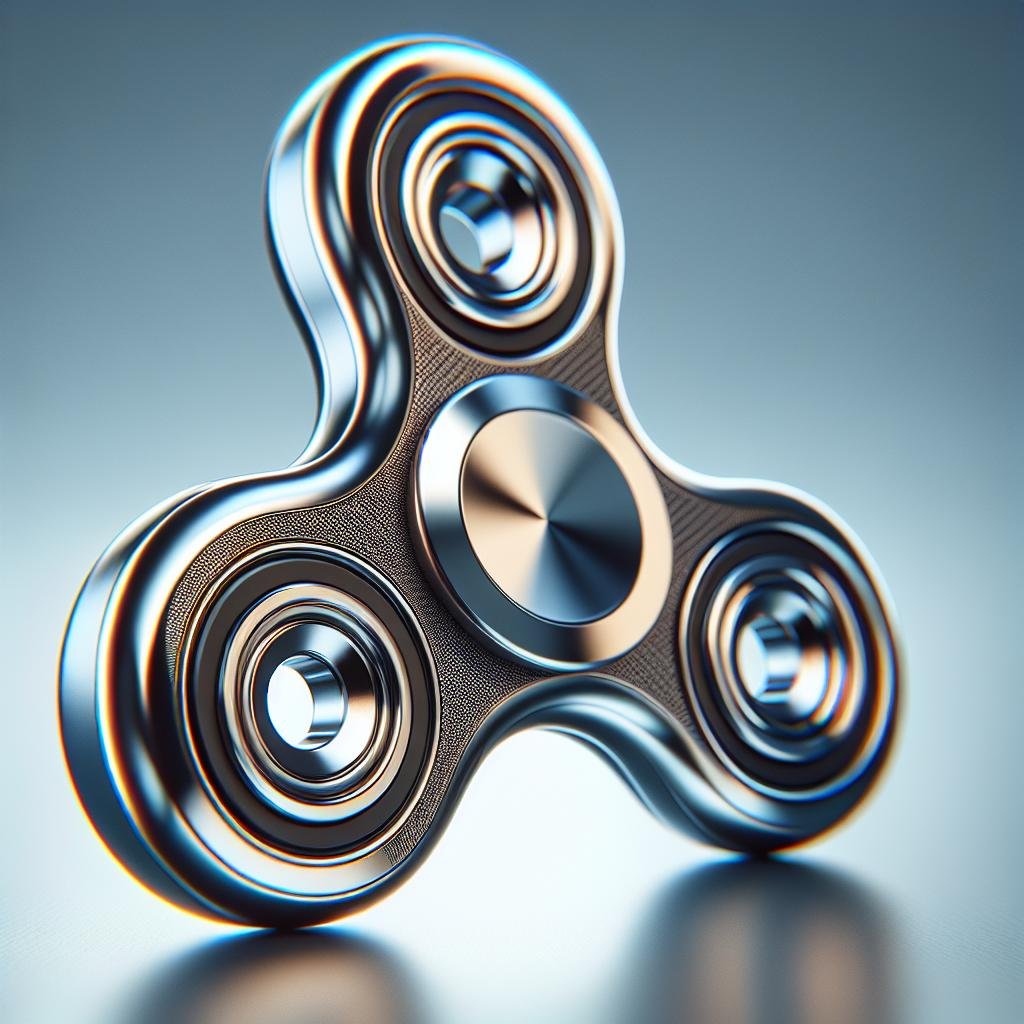
Fidget spinners have taken the world by storm, introducing a new and fun way to reduce stress, improve focus, and entertain kids and adults alike. Among these versatile toys, two types have emerged as favorites: magnetic and LED fidget spinners. In this article, we’ll delve into the differences between these two popular styles, discussing their features, benefits, and potential drawbacks.
Understanding Fidget Spinners
What is a Fidget Spinner?
A fidget spinner is a small, handheld device designed to be spun between the fingers. The user holds the center, and the outer parts spin around it, creating a satisfying sensation that can help reduce anxiety and increase concentration. They come in many designs and materials, with magnetic and LED varieties being particularly popular.
The Magnetic Fidget Spinner
Features of Magnetic Fidget Spinners
- Adjustable Designs: Magnetic fidget spinners can be rearranged into different shapes and designs, offering endless possibilities for creativity and personalization.
- Durable Materials: These spinners are often made from high-quality metal, making them sturdy and long-lasting.
- Soothing Experience: The act of manipulating the magnets can provide an additional level of stress relief beyond the spinning itself.
Drawbacks of Magnetic Fidget Spinners
- Potential Safety Risks: The small magnets can pose a choking hazard for younger children or can be harmful if swallowed.
- Higher Price Point: Due to their materials and unique features, magnetic spinners can be more expensive than other types.
The LED Fidget Spinner
Features of LED Fidget Spinners
- Visual Appeal: LED spinners light up when spun, creating a mesmerizing display that adds an extra level of entertainment.
- Variety of Colors and Patterns: These spinners come in a range of colors and light patterns, offering plenty of options for personalization.
- Affordable: LED spinners are generally more affordable than their magnetic counterparts, making them a great choice for those on a budget.
Drawbacks of LED Fidget Spinners
- Battery-Operated: These spinners require batteries to light up, which can run out and need to be replaced.
- Potential Fragility: The LED lights can be delicate and may break if the spinner is dropped or handled roughly.
Conclusion: Which is Right for You?
Whether you should choose a magnetic or an LED fidget spinner depends on your personal preferences. If you enjoy creating unique shapes and are willing to spend a bit more, a magnetic spinner could be an excellent choice. On the other hand, if you love colorful light shows and are looking for a more affordable option, an LED spinner could be the way to go. Whichever you choose, you’re sure to enjoy the satisfying spinning experience.
FAQs
Are fidget spinners safe for children?
While fidget spinners are generally safe for older children and adults, they can pose a choking hazard for younger children, particularly if they have small, detachable parts like magnets.
Can fidget spinners help with stress and concentration?
Yes, many people find that the act of spinning a fidget spinner helps reduce stress and improve focus. However, individual experiences may vary.
Where can I buy magnetic or LED fidget spinners?
Magnetic and LED fidget spinners can be found at many toy stores, online retailers, and specialty shops.